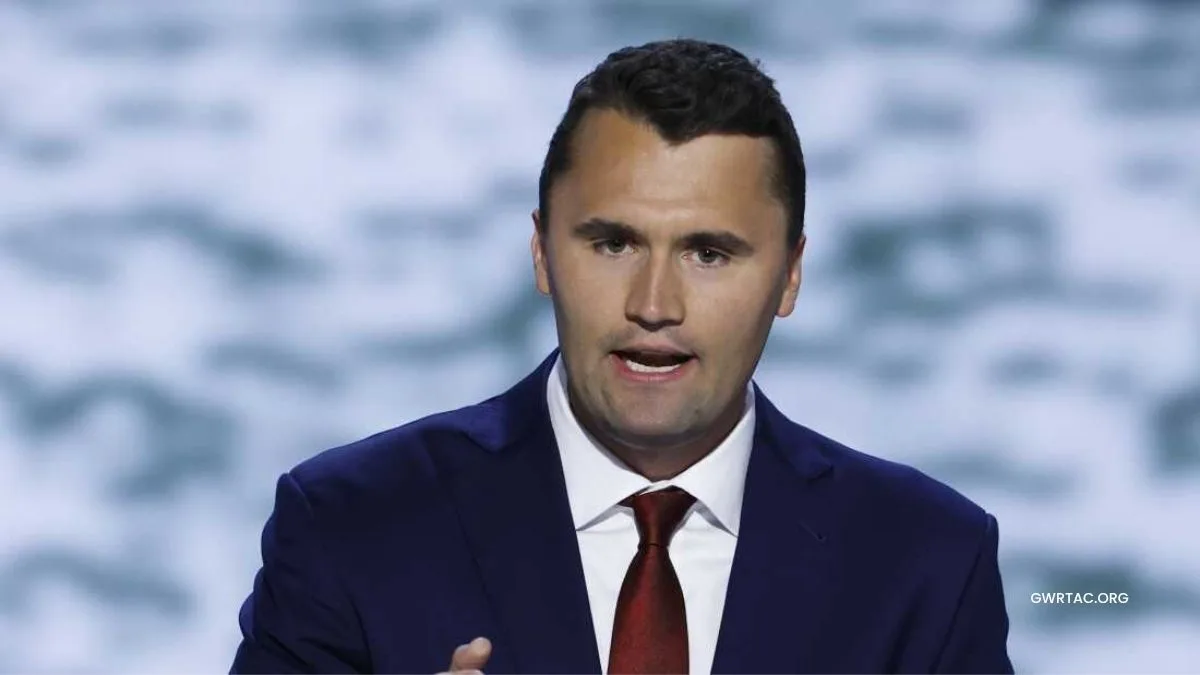
The one-year anniversary of Charlie Kirk’s killing is renewing a national debate over how comedians, entertainers and public figures respond to political violence, particularly when the victim remains a deeply divisive political figure.
Kirk, the founder of Turning Point USA, was shot and killed at Utah Valley University in Utah in September 2025. His death led not only to a complex legal case but also to continuing arguments over free speech, political rhetoric and the boundaries of comedy.
The anniversary comes as some comedians and entertainment figures are facing criticism for jokes and commentary about Kirk’s death, while others argue that satire remains an important form of political expression.
Comedians Debate the Limits of Political Humor
One of the most prominent controversies involved comedian Pete Davidson, who referenced Kirk’s assassination during Netflix’s “The Roast of Kevin Hart” in May 2026. The joke drew backlash and prompted criticism from fellow comedians who questioned whether making a public figure’s murder the subject of humor crossed a line.
Comedy writer and performer Michael Loftus criticized the decision, arguing that jokes about someone who has been killed cannot be separated from questions of taste and compassion. Comedian Bryan Callen, meanwhile, defended satire as a tool that can challenge powerful people and encourage audiences not to take themselves too seriously, while also arguing that some tragedies call for restraint.
The disagreement reflects a broader question that has followed Kirk’s death: whether free-speech principles should protect even deeply offensive jokes, or whether comedians have a responsibility to recognize circumstances in which humor can become needlessly cruel.
Kirk’s Death Became Part of a Larger Free-Speech Debate
The controversy surrounding Kirk extended beyond stand-up comedy.
Late-night host Jimmy Kimmel also became embroiled in the political and media fallout after commenting on the reaction to Kirk’s assassination. ABC suspended Kimmel following remarks in which he incorrectly characterized the suspected killer’s political affiliation, before bringing the show back less than a week later. The episode intensified debate over political pressure, broadcasting and the limits of speech.
More than 400 entertainment figures, including Jennifer Aniston, Tom Hanks and Meryl Streep, later signed an ACLU-backed open letter supporting Kimmel and warning about threats to free expression.
Other entertainment decisions also became part of the discussion. “South Park,” which had previously parodied Kirk, saw its episode pulled from Comedy Central’s cable rotation following his murder. Kirk had previously described the parody as a “badge of honor.”
A Year Later, Kirk’s Legacy Remains Contested
The anniversary has also brought renewed attention to the legal and cultural aftermath of Kirk’s death. The Salt Lake Tribune’s timeline describes the year since the shooting as one marked by a complex legal case and difficult conversations surrounding free speech.
The case against the man accused of killing Kirk has continued through the Utah court system, while questions surrounding the shooting and its aftermath have remained prominent in the state. Related coverage has examined the prosecution’s pursuit of the death penalty, the decision to move the aggravated murder case toward trial and disputes involving prosecutors and the court.
For Kirk’s supporters, the anniversary is an opportunity to remember a conservative activist who built a major youth-oriented political organization. For critics and others debating his legacy, his death has become part of a much broader conversation about political violence, public discourse and the responsibilities that come with free expression.
A year after Charlie Kirk was killed, those debates remain unresolved, extending far beyond the original shooting and into American politics, entertainment and the ongoing argument over where free speech ends and responsibility begins.